

Mental Health Management Gallery
$$MultiPurposeText$$
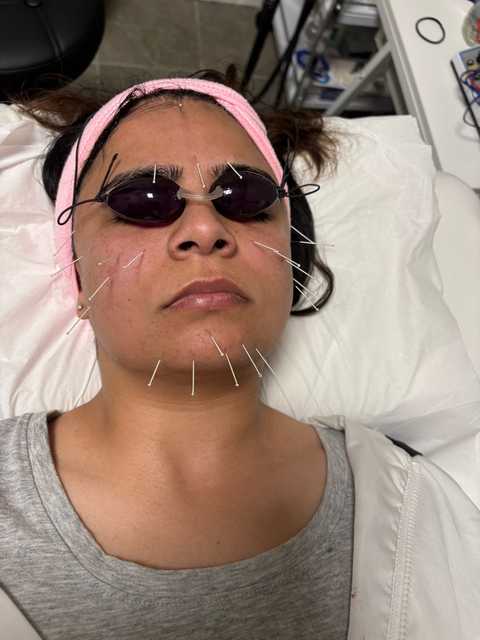
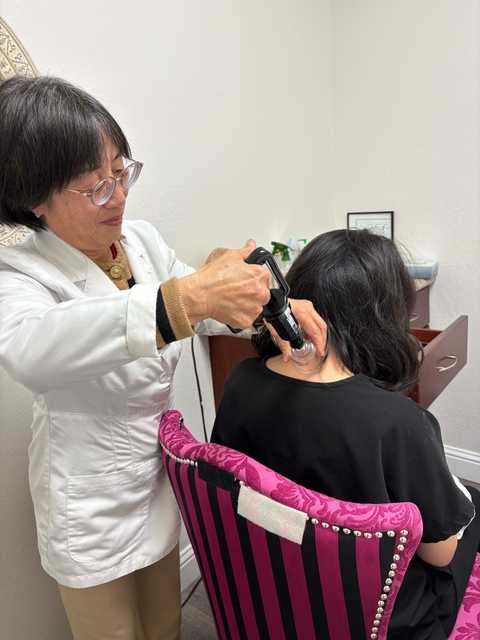
See examples of our Mental Health Management work and results.







What Our Clients Say
$$MultiPurposeText$$
Read testimonials from our satisfied customers

I have reconnected recently with Dr. Zhou after so many years. I was treated by her befor...more

I started at Eternal Health & Wellness about 3 weeks ago for acupuncture. I met with Quli ...more

I went there because I hurt my ankle ligaments while playing pickleball. Dr. Zhou used tra...more

Amazing first time experience! I am already planning my next appointment and looking forwa...more

I’ve had severe heartburn for over a month and saw my primary care doctor several times. S...more

Went in for chronic pain and allergies and felt rejuvenated afterwards!
I would recommend ...more

Frequently Asked Questions
Get answers to common questions about Mental Health Management.
This acupuncture approach targets energy imbalances and supports neurochemical stability to reduce sadness, insomnia, and overwhelm. It complements psychotherapy and medication, helping restore mood regulation, increase emotional resilience, and promote clearer thinking through consistent, compassionate treatments.
Yes. Treatments are trauma-informed and paced to each client's tolerance, emphasizing safety, consent, and grounding techniques. Practitioners use gentle needling and monitoring, adapting session length and stimulation to avoid retraumatization while promoting nervous system regulation and emotional safety.
Frequency varies by individual needs; many clients notice improvement after four to eight sessions, while deeper trauma recovery or chronic depression often requires ongoing, weekly or biweekly treatment plans coordinated with mental health providers.
Absolutely. Acupuncture is complementary and can enhance medication and therapy outcomes by stabilizing mood and reducing side effects. We coordinate care with your providers when appropriate and encourage open communication to ensure safe, integrated mental health management.
Sessions begin with intake and a discussion of symptoms, history, and goals. Treatment includes gentle needling, grounding techniques, and a calming environment. Most clients find sessions relaxing and leave with increased clarity, reduced anxiety, and improved emotional steadiness.
Side effects are generally mild and short-lived, such as temporary soreness, minor bruising, or lightheadedness. Serious reactions are rare. Your practitioner will review risks, adjust techniques, and provide aftercare instructions to minimize effects and ensure comfortable recovery.
Read more about Mental Health Management
$$MultiPurposeText$$
Explore our latest insights and guides on Mental Health Management.
