

Massage Therapy · San Jose, CA
Cupping Therapy
Utilize professional-grade suction cups to lift and decompress the soft tissues, effectively increasing blood flow and facilitating the drainage of toxins. This clinical technique is highly effective for releasing stubborn myofascial restrictions and accelerating the body's natural healing of sore muscles. It provides a unique level of tissue decompression that helps to clear stagnant energy and improve overall physical performance.
Price$45
Duration30 mins
Benefits of Cupping Therapy
$$MultiPurposeText$$
Discover the many advantages of choosing Cupping Therapy at Eternal Health & Wellness Acupuncture Center
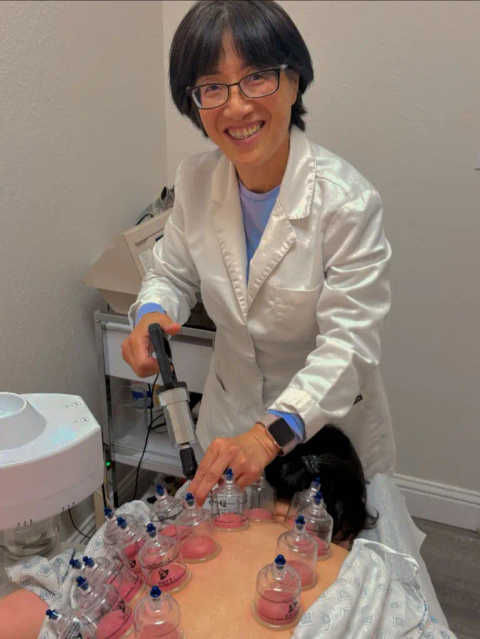
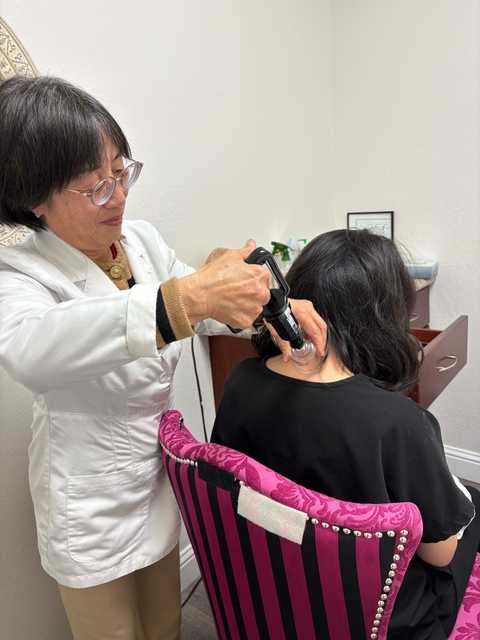
Cupping Therapy Gallery
$$MultiPurposeText$$
See examples of our Cupping Therapy work and results.




What Our Clients Say
$$MultiPurposeText$$
Read testimonials from our satisfied customers

Quli is an amazing acupuncturist! After going through two pregnancies back-to-back, I fina...more

Great experience! I came in with really bad back pain and stiffness, and the acupuncture a...more

I have been using this medical facility for about one year and had such a good experience ...more

Awesome place for acupuncture ! I feel so much better after every session.

Quli Zhou worked wonders on my back and hip pain. I only had 3 acupunture appointments and...more

I’ve been receiving acupuncture from Dr. Quli and Dr. Connie for eight weeks for post-meno...more

Frequently Asked Questions
Get answers to common questions about Cupping Therapy.
A typical cupping session involves placing suction cups on targeted areas for 15-30 minutes, allowing for tissue decompression and relaxation.
Most clients experience slight pressure but not pain. Afterward, some may notice mild soreness, akin to a deep tissue massage.
Frequency depends on individual needs, but many find sessions every 1-2 weeks beneficial for optimal results.
Cupping therapy is suitable for anyone seeking relief from muscle soreness, tension, stress, or chronic pain.
Common side effects include temporary marks or bruising where cups were placed, which typically fade within a few days.
Cupping focuses on decompression and lifting tissues, while massage techniques primarily involve kneading and pressing the muscles.
Ready To Book Cupping Therapy?
$$MultiPurposeText$$
Schedule your cupping therapy appointment today and experience the difference.
Read more about Cupping Therapy
$$MultiPurposeText$$
Explore our latest insights and guides on Cupping Therapy.
Cupping Therapy
Cupping Therapy
Cupping Therapy